Cách chọn van bi phù hợp cho ứng dụng công nghiệp
Sep 14, 2026
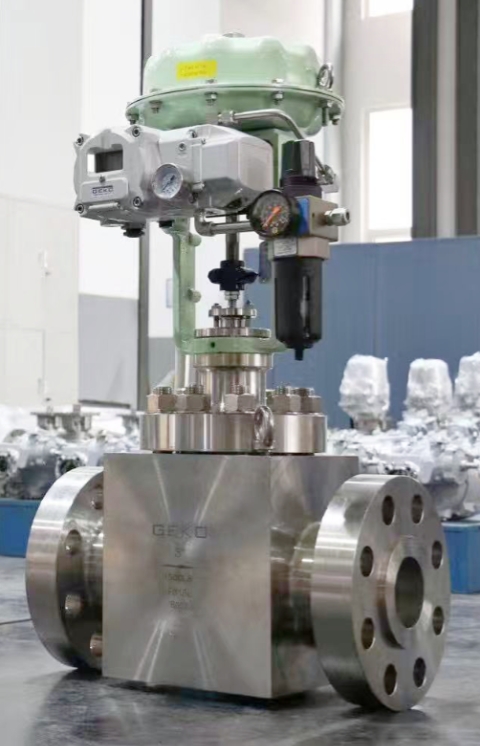
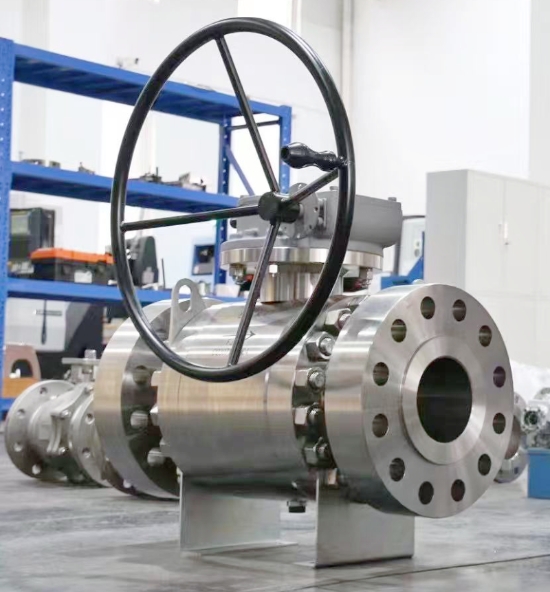
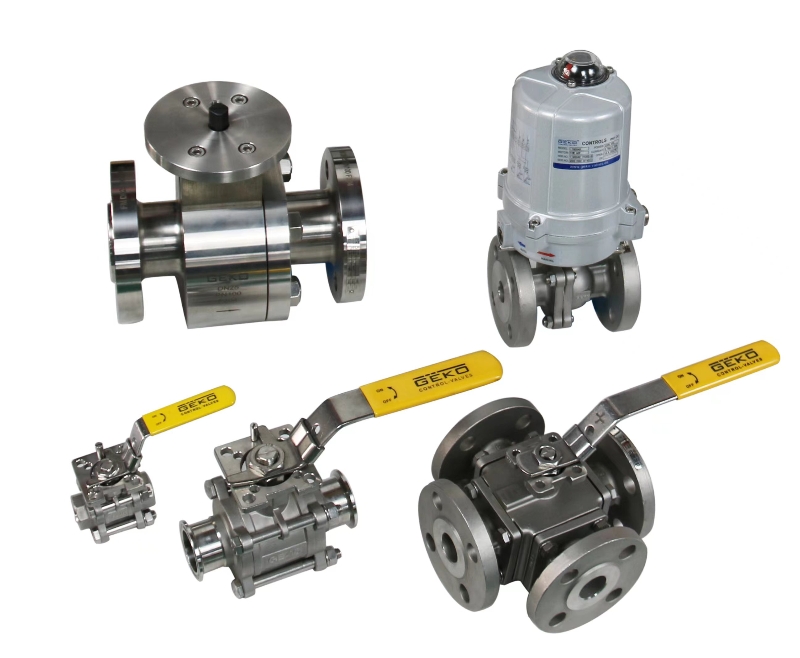
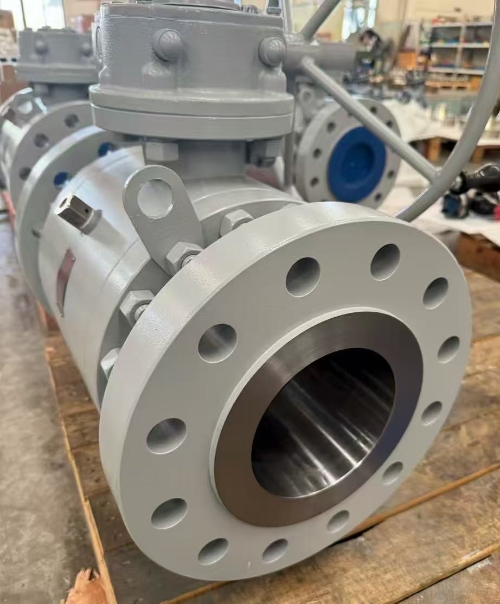
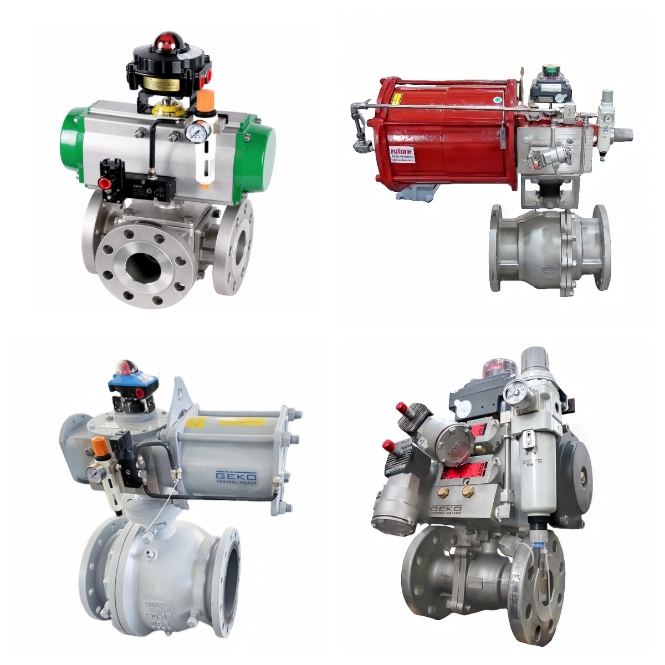
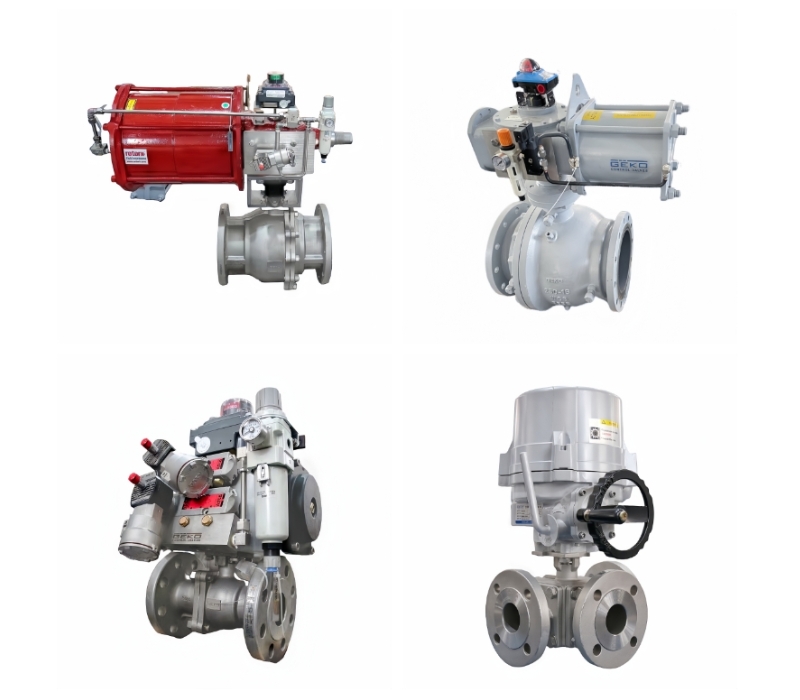
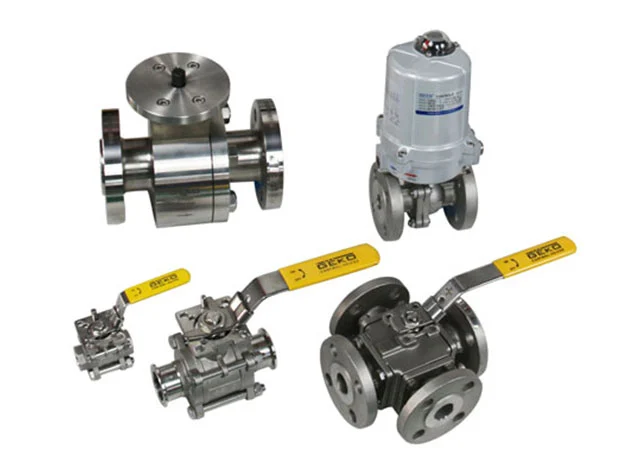
Van bi là thành phần điều khiển chất lỏng không thể thiếu trong hệ thống đường ống công nghiệp, được sử dụng rộng rãi để cách ly môi chất, điều chỉnh lưu lượng và bảo vệ đường ống trong nhiều ngành công nghiệp nặng. Khác với các loại van dân dụng thông thường, van bi công nghiệp cần thích ứng với các điều kiện làm việc phức tạp như áp suất cao, nhiệt độ khắc nghiệt, môi chất ăn mòn và chu kỳ đóng mở thường xuyên. Việc lựa chọn van bi công nghiệp không phù hợp dễ dẫn đến rò rỉ, kẹt, hỏng gioăng và bảo trì thiết bị thường xuyên, ảnh hưởng nghiêm trọng đến hiệu quả sản xuất và an toàn đường ống. Hướng dẫn chuyên nghiệp này giải thích một cách hệ thống toàn bộ các phương pháp lựa chọn van bi công nghiệp và các tiêu chuẩn đánh giá quan trọng, giúp các kỹ sư và đội ngũ mua sắm lựa chọn chính xác loại van bi phù hợp nhất cho các ứng dụng công nghiệp khác nhau. 1. Xác nhận các thông số điều kiện làm việc công nghiệp (Cơ sở lựa chọn cốt lõi)Việc lựa chọn van bi công nghiệp phải dựa trên các thông số hoạt động thực tế của đường ống. Xác nhận tình trạng rõ ràng và chính xác là nguyên tắc hàng đầu để tránh sai sót trong lựa chọn. 1.1 Đặc điểm của môi trườngCác loại môi chất khác nhau quyết định vật liệu thân van, loại gioăng và cấu hình kết cấu. Môi chất sạch như nước, không khí và khí tự nhiên có thể sử dụng van bi gioăng mềm thông thường với chi phí thấp và không rò rỉ. Đối với môi chất ăn mòn bao gồm axit, kiềm và dung môi hóa học, cần sử dụng van bi hợp kim chống ăn mòn hoặc van bi có lớp lót. Đối với môi chất mài mòn như bùn, tro than và hỗn hợp dạng hạt, phải chọn van bi gioăng cứng chống mài mòn để ngăn ngừa hư hại do mài mòn nhanh chóng đối với bề mặt gioăng. 1.2 Áp suất và nhiệt độ hoạt độngCác đường ống công nghiệp có yêu cầu nghiêm ngặt về áp suất và nhiệt độ. Các hệ thống công nghiệp thông thường áp suất thấp và trung bình có thể sử dụng van bi áp suất tiêu chuẩn. Các ứng dụng công nghiệp nặng như truyền tải dầu khí, nhiệt điện và công nghiệp hóa dầu cần van bi công nghiệp áp suất cao với khả năng chịu áp suất ổn định. Về nhiệt độ, môi chất ở nhiệt độ bình thường thích hợp với gioăng mềm polymer; hệ thống hơi nước và dầu nóng ở nhiệt độ cao yêu cầu van bi có gioăng kim loại chịu nhiệt cao; môi trường công nghiệp nhiệt độ cực thấp như khí hóa lỏng cần van bi chuyên dụng cho môi trường đông lạnh để đảm bảo hiệu suất làm kín ổn định trong điều kiện cực lạnh.2. Lựa chọn cấu trúc van bi phù hợp với các tình huống công nghiệp.Các thiết kế cấu trúc khác nhau của van bi tương ứng với các kịch bản ứng dụng công nghiệp riêng biệt, và sự phù hợp về cấu trúc quyết định trực tiếp đến tuổi thọ và độ ổn định hoạt động của van.2.1 Cấu trúc dạng nổi so với cấu trúc gắn trên trục quayVan bi nổi Có cấu trúc đơn giản và hiệu suất tiết kiệm chi phí, phù hợp với các đường ống công nghiệp thông thường có đường kính nhỏ, áp suất thấp và trung bình như trong ngành xử lý nước, HVAC và công nghiệp hóa chất nhẹ. Van bi gắn trục Áp dụng thiết kế giá đỡ trục cố định, có khả năng chịu áp suất cao và tải trọng chuyển mạch thường xuyên, là loại kết cấu được ưa chuộng cho các đường ống công nghiệp đường kính lớn, áp suất cao, tải trọng nặng như đường ống dẫn dầu khí đường dài và hệ thống lọc hóa dầu.2.2 Thiết kế cổng đầy đủ so với thiết kế cổng thu nhỏVan bi toàn cổng Chúng có đường kính trong đồng nhất với đường ống, có điện trở dòng chảy cực thấp, không tổn hao dòng chảy và hỗ trợ làm sạch đường ống bằng thiết bị pigging. Chúng phù hợp với các đường ống chính trong công nghiệp có nhu cầu lưu lượng cao và yêu cầu bảo trì thường xuyên. Van bi cổng giảm kích thước Chúng có trọng lượng nhẹ và chi phí thấp, đáp ứng nhu cầu cách ly cơ bản của các đường ống công nghiệp phụ trợ, và được sử dụng rộng rãi trong các hệ thống điều khiển chất lỏng công nghiệp không quan trọng.2.3 Cấu trúc thân xe tách rời nguyên khốiVan bi nguyên khối nhỏ gọn và tiết kiệm chi phí, phù hợp với các đường ống phụ trợ công nghiệp đơn giản. Van bi hai mảnh dễ tháo lắp và bảo trì, thích hợp với hầu hết các điều kiện làm việc tiêu chuẩn trong công nghiệp. Van bi ba mảnh cho phép tháo rời lõi van mà không cần tháo thân van ra khỏi đường ống, phù hợp hơn với các đường ống công nghiệp cần bảo trì thường xuyên và sản xuất liên tục.3. Lựa chọn hệ thống làm kín cho điều kiện làm việc công nghiệpHệ thống làm kín là thành phần cốt lõi quyết định độ kín và độ bền của van bi công nghiệp. Trong công nghiệp, van được chia thành hai loại chính: làm kín bằng vật liệu mềm và làm kín bằng vật liệu cứng.Van bi có gioăng mềm sử dụng vật liệu composite PTFE và polymer, đạt được độ kín tuyệt đối, không rò rỉ, thích hợp cho môi chất công nghiệp sạch, không mài mòn, ở nhiệt độ thường. Van bi có gioăng kim loại Sử dụng gioăng kín kim loại-kim loại cứng, có khả năng chịu nhiệt độ cao, chịu áp suất cao và chống mài mòn, giải quyết vấn đề hỏng hóc của gioăng mềm trong môi trường công nghiệp khắc nghiệt như nhiệt độ cao, áp suất cao và ăn mòn do bùn, là lựa chọn cốt lõi cho các điều kiện làm việc công nghiệp khắc nghiệt.4. Kết nối đầu cuối phù hợpViệc lựa chọn phương pháp kết nối hợp lý đảm bảo việc lắp đặt ổn định và bảo trì thuận tiện cho các van công nghiệp:Van bi mặt bích: Kết nối tiêu chuẩn công nghiệp, dễ lắp đặt, tháo dỡ và bảo trì, phù hợp với các đường ống chính công nghiệp có đường kính trung bình và lớn.Van bi renCấu trúc nhỏ gọn, phù hợp với hệ thống đường ống phụ trợ công nghiệp có đường kính nhỏ và áp suất thấp.Van bi hàn đối đầu: Kết nối kín hoàn toàn và có độ bền cao, không có nguy cơ rò rỉ, thích hợp cho các đường ống công nghiệp hoạt động liên tục trong thời gian dài và dưới áp suất cao, nhiệt độ cao.5. Lựa chọn chế độ vận hành thủ công hoặc tự độngTùy thuộc vào mức độ tự động hóa công nghiệp và tần suất vận hành của hệ thống đường ống, hãy chọn phương pháp dẫn động phù hợp. Van bi điều khiển bằng tay thích hợp cho các kịch bản công nghiệp vận hành tần suất thấp và điều khiển thủ công đơn giản. Đối với các dây chuyền sản xuất công nghiệp thông minh hiện đại, van bi điều khiển bằng khí nén Và van bi điều khiển bằng điện Được cấu hình để thực hiện điều khiển từ xa, chuyển mạch tự động và điều chỉnh lưu lượng, kết hợp với các hệ thống điều khiển công nghiệp PLC và SCADA nhằm đáp ứng nhu cầu sản xuất không người lái.6. Những sai lầm thường gặp khi lựa chọn ngành công nghiệp cần tránhChỉ lựa chọn van theo kích thước đường kính, bỏ qua định mức áp suất, nhiệt độ và khả năng thích ứng với môi chất.Việc sử dụng van có gioăng mềm trong điều kiện làm việc công nghiệp nhiệt độ cao và mài mòn dẫn đến hiện tượng lão hóa gioăng nhanh và rò rỉ.Việc lựa chọn mù quáng các loại van chịu tải nặng có thông số kỹ thuật cao thường gây lãng phí chi phí trong các ứng dụng công nghiệp nói chung.Mô-men xoắn của bộ truyền động không khớp, dẫn đến kẹt van và chuyển mạch không hoàn toàn trong các đường ống công nghiệp áp suất cao.7. Giải pháp van bi công nghiệp chuyên nghiệp từ GEKO ValveCông ty GEKO Valve tập trung vào nghiên cứu, phát triển và sản xuất van bi công nghiệp, cung cấp các giải pháp lựa chọn tùy chỉnh trọn bộ cho nhiều ứng dụng công nghiệp khác nhau. Dòng sản phẩm của chúng tôi bao gồm van bi kiểu nổi và kiểu trục xoay, van bi toàn đường kính và đường kính thu hẹp, van bi có gioăng mềm và gioăng kim loại, cũng như nhiều loại kết nối mặt bích, ren và hàn. Chúng tôi hỗ trợ cấu hình vận hành bằng tay, khí nén và tự động bằng điện, hoàn toàn phù hợp với các lĩnh vực xử lý nước, hóa chất, hóa dầu, dầu khí, điện lực và các ngành công nghiệp khác. Tất cả các van bi công nghiệp đều tuân thủ các tiêu chuẩn quốc tế, với hiệu suất ổn định, khả năng thích ứng cao với điều kiện làm việc và tỷ lệ bảo trì thấp, đảm bảo kiểm soát chất lỏng đáng tin cậy cho các dự án đường ống công nghiệp toàn cầu.9 từ khóa SEO cốt lõiVan bi công nghiệp, Van bi chịu tải nặng, Van bi áp suất cao, Van cách ly công nghiệp, Van bi công nghiệp tự động, Van bi công nghiệp ba mảnh, Van bi công nghiệp có gioăng kim loại, Van bi công nghiệp toàn lưu lượng, Van bi công nghiệp chống ăn mòn
ĐỌC THÊM






 E-mail
: info@geko-union.com
E-mail
: info@geko-union.com
 E-mail
: info@geko-valves.de
E-mail
: info@geko-valves.de
 E-mail
: tw@geko-union.com
E-mail
: tw@geko-union.com
 E-mail
: nl@geko-union.com
E-mail
: nl@geko-union.com


 Mạng IPv6 được hỗ trợ


