





BẠN ĐANG TÌM KIẾM GÌ?
Hướng dẫn thiết yếu dành cho người mua khi tìm nguồn cung cấp van bi công nghiệp
Việc tìm nguồn cung ứng van bi công nghiệp chất lượng cao là một trong những bước quan trọng nhất trong quá trình mua sắm dự án công nghiệp, xây dựng hệ thống đường ống và bảo trì thiết bị. Nhiều người mua chỉ tập trung vào giá cả, kích thước và thời gian giao hàng mà bỏ qua các thông số kỹ thuật cốt lõi, khả năng tương thích vật liệu, thiết kế cấu trúc và xác minh năng lực nhà cung cấp. Việc tìm nguồn cung ứng không phù hợp dẫn đến rò rỉ van thường xuyên, hỏng gioăng, tuổi thọ ngắn, ngừng hoạt động hệ thống đột xuất và tăng chi phí vận hành dài hạn.
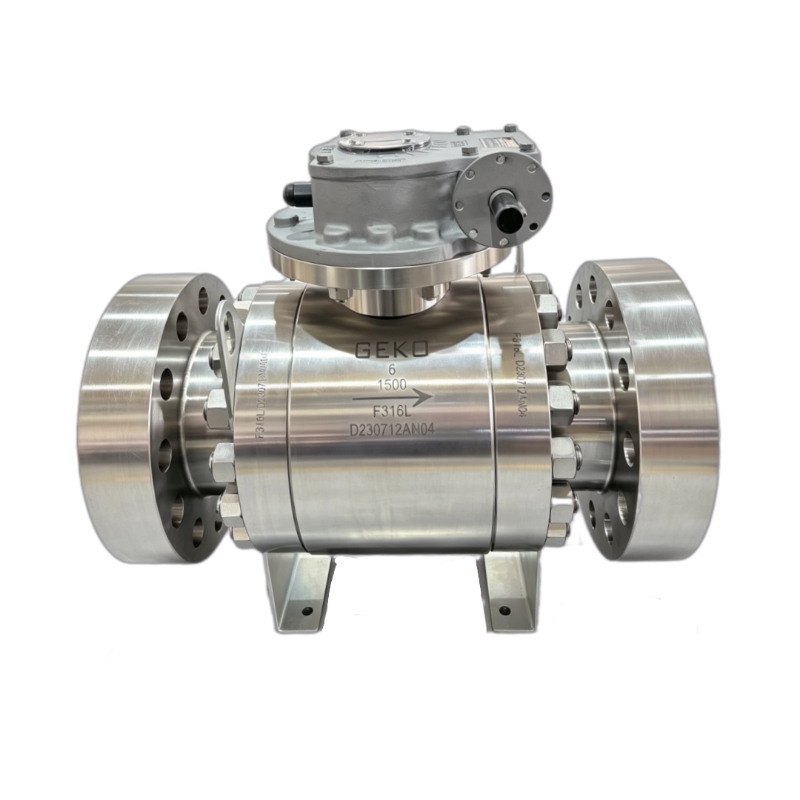
Cẩm nang mua hàng thiết yếu này bao gồm mọi bước quan trọng để tìm nguồn cung cấp van bi công nghiệp đáng tin cậy, giúp các kỹ sư thu mua, quản lý dự án và nhà tích hợp hệ thống đưa ra các quyết định mua hàng tiết kiệm chi phí, an toàn và tuân thủ quy định cho các hệ thống đường ống công nghiệp hóa dầu, nhà máy điện, xử lý nước, khí đốt tự nhiên và hóa chất.
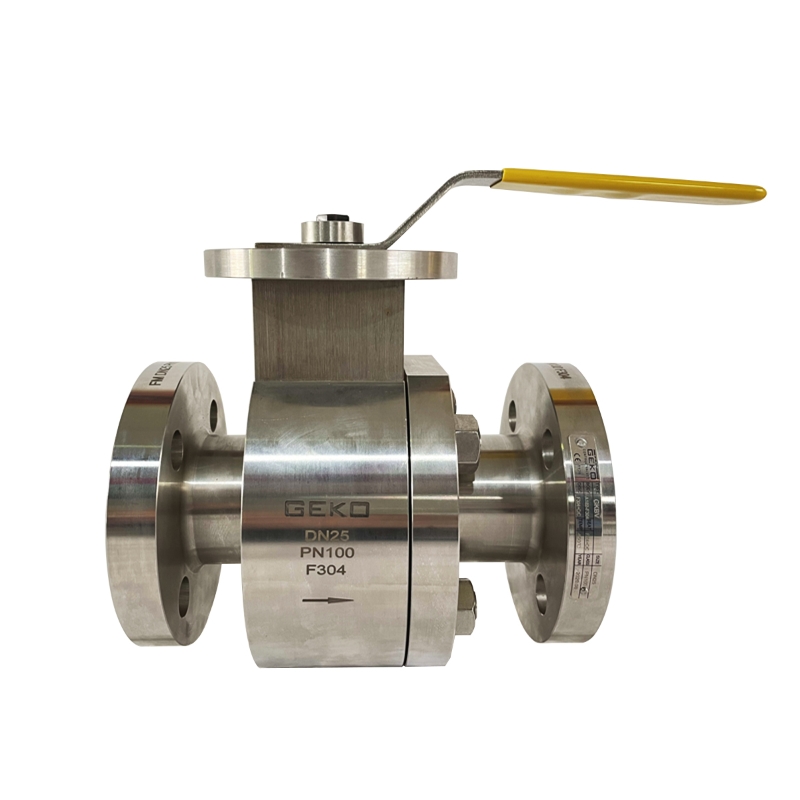
1. Xác nhận chính xác các yêu cầu về điều kiện làm việc trước khi hỏi thông tin.
Các yêu cầu kỹ thuật không rõ ràng là nguyên nhân hàng đầu dẫn đến việc lựa chọn van không phù hợp. Trước khi liên hệ với nhà cung cấp, người mua phải làm rõ đầy đủ các thông số vận hành tại chỗ để đảm bảo sự phù hợp 100% về mẫu mã.
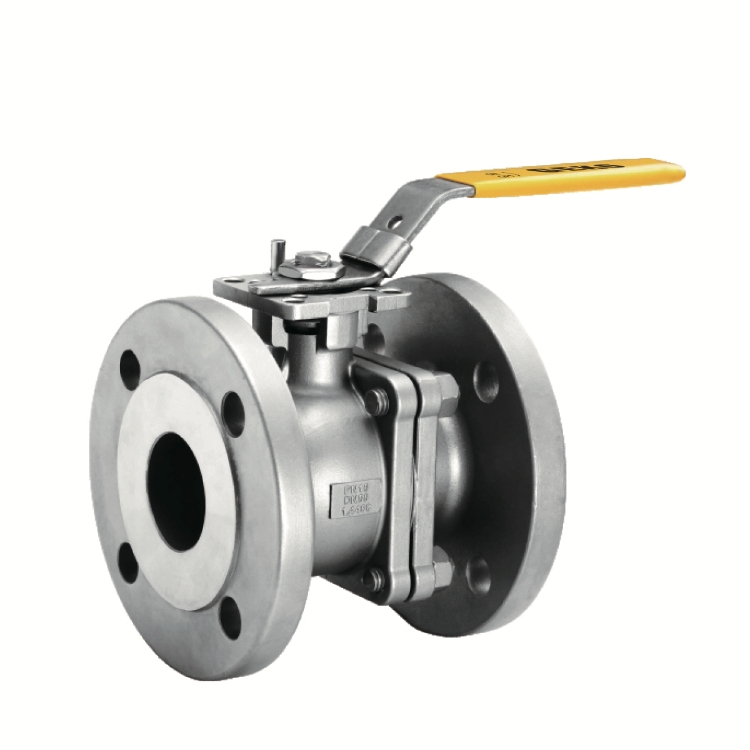
2. Chọn đúng loại cấu trúc van bi
Các cấu trúc van bi khác nhau tương ứng với các kịch bản ứng dụng hoàn toàn khác nhau. Việc lựa chọn cấu trúc phù hợp giúp tránh lãng phí chi phí do lựa chọn quá mức cần thiết hoặc tránh rủi ro an toàn do lựa chọn không đáp ứng đủ yêu cầu.
3. Kiểm tra tính tương thích giữa vật liệu thân van và gioăng
Sự không phù hợp về vật liệu là nguyên nhân chính dẫn đến hỏng hóc sớm của van bi trong quá trình vận hành. Người mua phải xác nhận tiêu chuẩn vật liệu dựa trên đặc tính thực tế của môi chất:
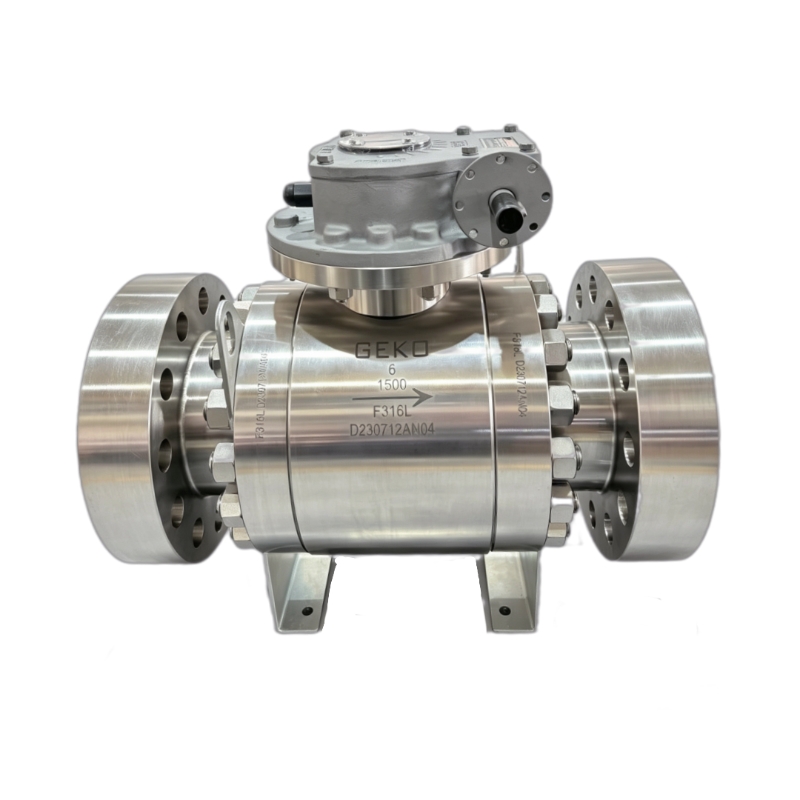
4. Kiểm tra các chứng nhận tiêu chuẩn an toàn và công nghiệp.
Van bi công nghiệp đạt tiêu chuẩn phải tuân thủ các tiêu chuẩn công nghiệp quốc tế để đảm bảo an toàn dự án và vượt qua kiểm tra kỹ thuật. Việc tìm nguồn cung ứng chuyên nghiệp phải xác minh các chứng nhận cốt lõi:
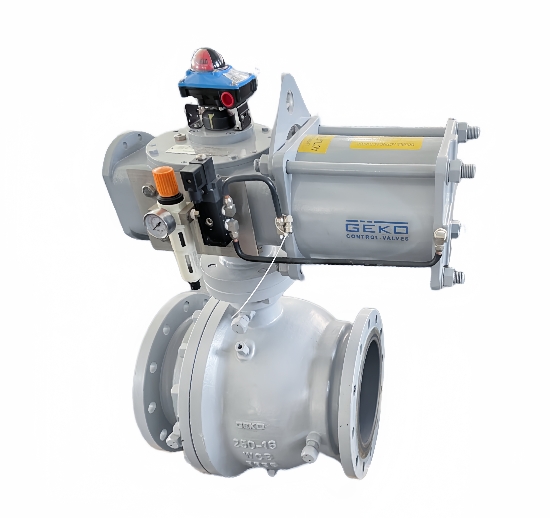
Nhiều người mua chỉ theo đuổi giá mua ban đầu thấp trong quá trình tìm nguồn cung ứng. Van bi giá rẻ thường sử dụng nguyên vật liệu kém chất lượng, đúc thô và cấu trúc làm kín đơn giản. Mặc dù chi phí ban đầu thấp, chúng dễ bị rò rỉ, kẹt và phải thay thế thường xuyên, dẫn đến chi phí vận hành và bảo trì tổng thể cao hơn.
Việc tìm nguồn cung ứng chuyên nghiệp đòi hỏi phải đánh giá toàn diện tuổi thọ van, chu kỳ bảo trì, tính phổ biến của phụ tùng thay thế và tốc độ phản hồi dịch vụ hậu mãi, ưu tiên giá trị vận hành ổn định lâu dài hơn là giá thấp tạm thời.
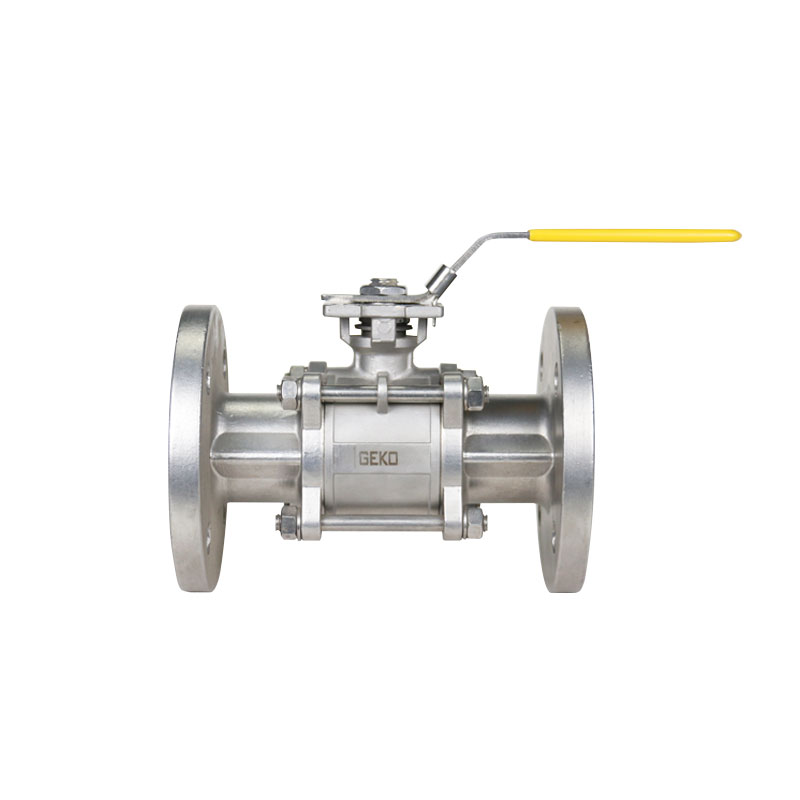
6. Đánh giá năng lực và khả năng cung cấp dịch vụ của nhà cung cấp
Chất lượng sản phẩm tuyệt vời phụ thuộc vào nhà sản xuất đáng tin cậy. Khi tìm mua van bi công nghiệp, người mua nên tập trung vào năng lực sản xuất của nhà máy hơn là các trung gian thương mại:
7. Xác nhận các điều khoản lắp đặt, bảo trì và hậu mãi.
Trước khi hoàn tất đơn đặt hàng, hãy xác nhận chi tiết các điều khoản hậu mãi bao gồm thời gian bảo hành sản phẩm, hướng dẫn lắp đặt tại chỗ, hiệu quả khắc phục sự cố và cung cấp phụ tùng thay thế. Van bi công nghiệp thuộc thiết bị hỗ trợ đường ống dài hạn, và dịch vụ hậu mãi hoàn hảo có thể giúp tránh hiệu quả sự chậm trễ dự án do lỗi sản phẩm gây ra.
Những sai lầm thường gặp khi tìm nguồn cung ứng cần tránh
Phần kết luận
Việc tìm nguồn cung ứng van bi công nghiệp là một công việc kỹ thuật mang tính hệ thống, đòi hỏi sự xem xét toàn diện các điều kiện làm việc, kiểu cấu trúc, cấu hình vật liệu, chứng nhận an toàn, năng lực nhà cung cấp và chi phí vòng đời, thay vì chỉ đơn thuần so sánh giá cả. Quy trình tìm nguồn cung ứng được tiêu chuẩn hóa có thể giúp tránh hiệu quả các sự cố sản phẩm, việc phải làm lại dự án và tổn thất kinh tế.
GEKO Valve là nhà sản xuất van bi công nghiệp chuyên nghiệp, cung cấp các loại van bi nổi, van bi trục xoay, van bi ba mảnh và các loại van bi đặc biệt theo yêu cầu. Chúng tôi cung cấp dịch vụ trọn gói từ khâu lựa chọn kỹ thuật, sản xuất theo yêu cầu, giao hàng ổn định và dịch vụ hậu mãi đầy đủ cho các dự án đường ống công nghiệp toàn cầu, trở thành đối tác cung ứng lâu dài đáng tin cậy cho người mua công nghiệp.

 E-mail
: info@geko-union.com
E-mail
: info@geko-union.com
 E-mail
: info@geko-valves.de
E-mail
: info@geko-valves.de
 E-mail
: tw@geko-union.com
E-mail
: tw@geko-union.com
 E-mail
: nl@geko-union.com
E-mail
: nl@geko-union.com


 Mạng IPv6 được hỗ trợ


