





BẠN ĐANG TÌM KIẾM GÌ?
Van bi được sử dụng rộng rãi làm bộ phận đóng ngắt trong hệ thống đường ống công nghiệp cho các nhà máy hóa dầu, nhà máy điện, xử lý nước, khí đốt tự nhiên và mạng lưới sưởi ấm. Nhiều người mua chỉ so sánh giá cả và kích thước danh nghĩa trong quá trình mua sắm, bỏ qua các thông số kỹ thuật quan trọng. Việc lựa chọn van bi không phù hợp thường dẫn đến hỏng gioăng, rò rỉ môi chất, bảo trì thường xuyên và ngừng hoạt động đường ống đột xuất, gây ra tổn thất vận hành lâu dài.
Bài viết này nêu rõ tất cả các yếu tố quan trọng cần xem xét khi mua van bi cho hệ thống đường ống, giúp các kỹ sư mua sắm và nhà thiết kế dự án đưa ra quyết định mua hàng hiệu quả về chi phí và đáng tin cậy.
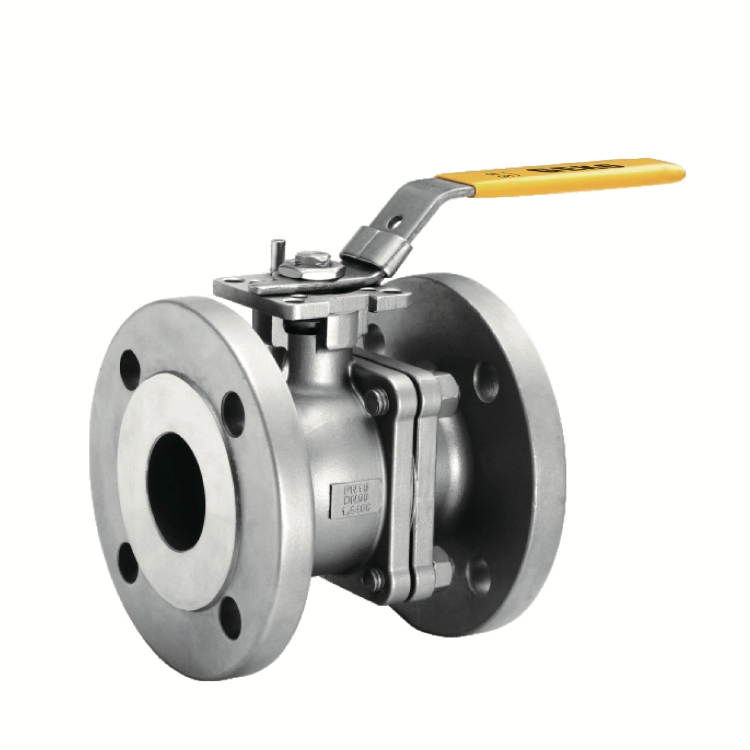
1. Làm rõ điều kiện làm việc thực tế của hệ thống đường ống
Các thông số vận hành là tiêu chí cơ bản quan trọng trước khi mua van bi. Tất cả các cấu hình phải phù hợp với điều kiện vận hành thực tế tại công trường.
Môi chất: nước sạch, hơi nước, dầu nhiên liệu, khí tự nhiên, hóa chất ăn mòn hoặc bùn chứa các hạt rắn. Đặc tính của môi chất quyết định vật liệu thân van và đế van.
Nhiệt độ hoạt động: nhiệt độ thấp, nhiệt độ môi trường hoặc nhiệt độ cao.
Áp suất làm việc: áp suất định mức, áp suất đột biến tối đa và áp suất ngắt yêu cầu.
Yêu cầu chức năng: đóng/mở đơn giản hoặc điều chỉnh lưu lượng liên tục.
Lưu lượng: lựa chọn van bi toàn lưu lượng hoặc van bi giảm lưu lượng tùy theo nhu cầu lưu lượng.
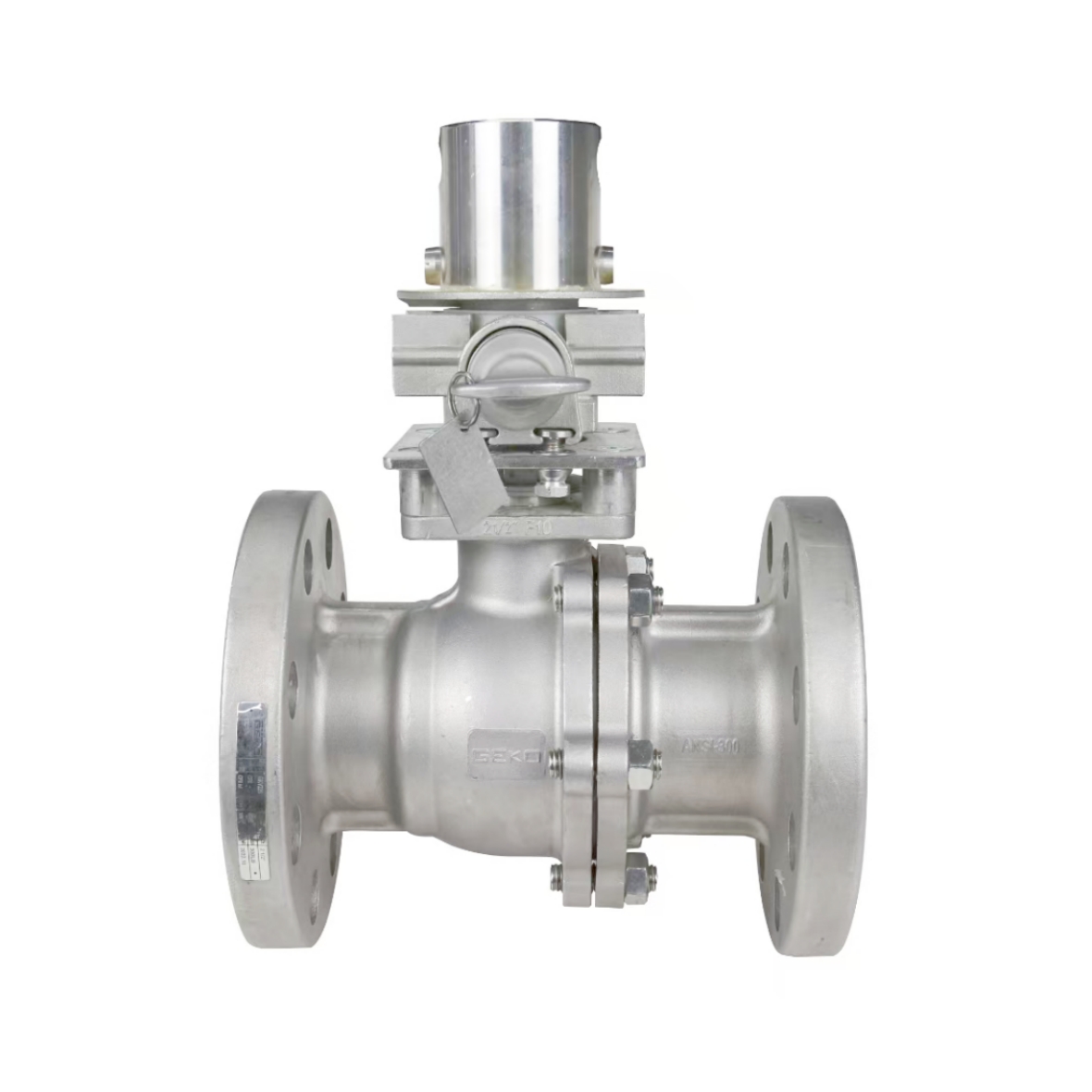
2. Chọn loại cấu trúc van bi phù hợp
Các loại van bi có cấu trúc khác nhau được sử dụng cho các tình huống đường ống khác nhau.
Van bi nổi: Cấu tạo đơn giản, giá thành cạnh tranh, phù hợp với đường ống có áp suất trung bình và thấp, đường kính nhỏ và trung bình.
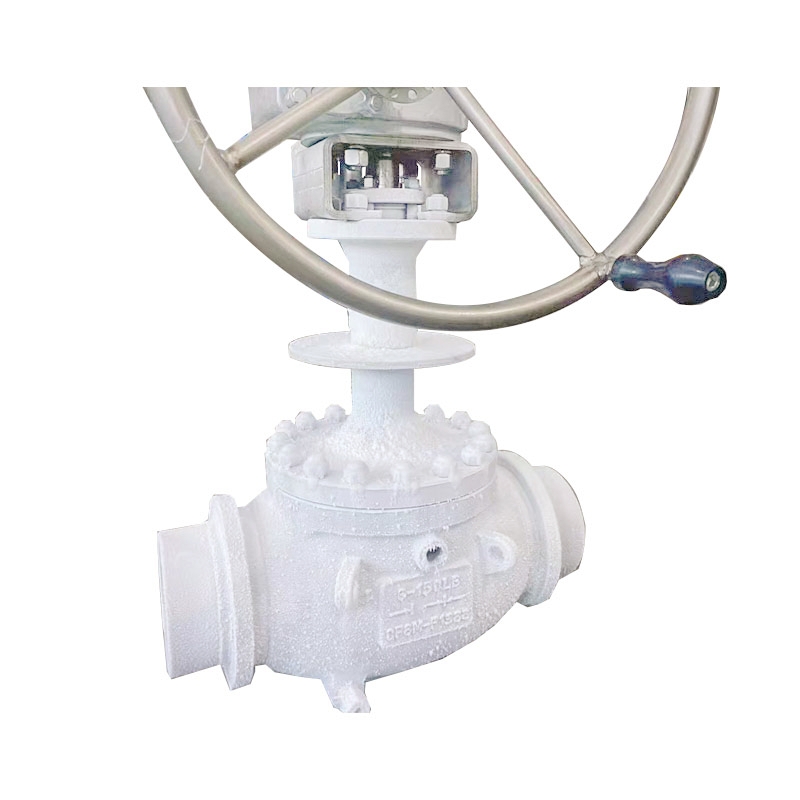
Van bi gắn trục: Thiết kế bi cố định giúp giảm mô-men xoắn vận hành, hoạt động xuất sắc dưới áp suất cao và trong các đường ống có đường kính lớn, được sử dụng rộng rãi trong vận chuyển khí đường dài và các đường ống công nghiệp nặng.
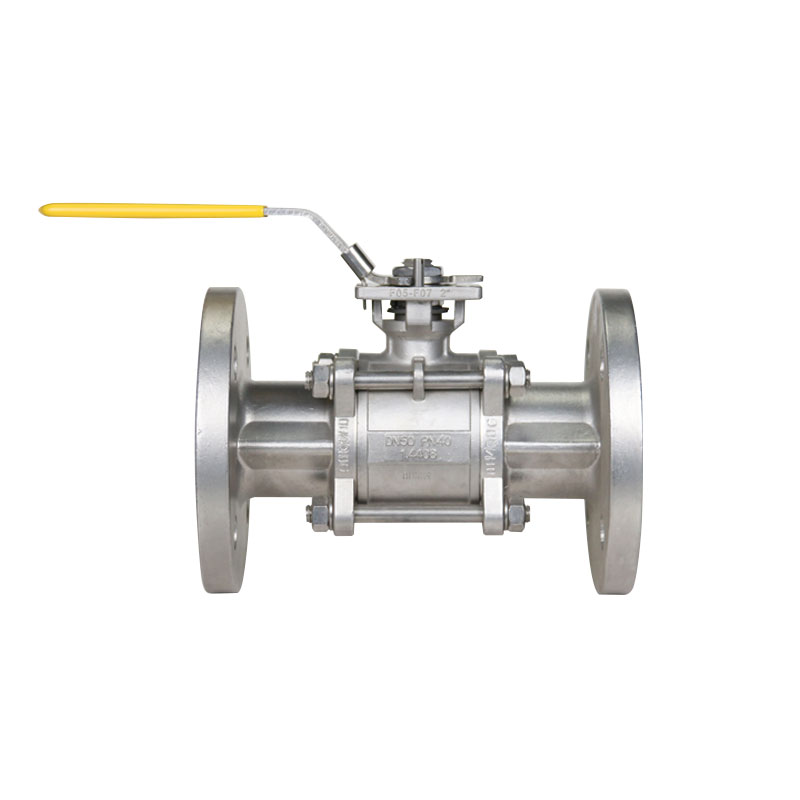
Van bi 3 mảnh: Thân van dạng mô-đun tách rời. Người vận hành có thể thực hiện bảo trì trực tuyến mà không cần tháo toàn bộ van ra khỏi đường ống, lý tưởng cho các hệ thống cần kiểm tra thường xuyên.
Van bi kiểu mở từ trên xuống: Có thể bảo trì từ phía trên van mà không cần tháo rời mặt bích, thích hợp cho đường ống ngầm và trạm khí đốt.
3. Xác nhận tính tương thích vật liệu của thân van và các chi tiết trang trí
Sự không tương thích về vật liệu là một trong những nguyên nhân hàng đầu gây hư hỏng sớm van bi.
Thép cacbon WCB: Dùng cho dầu thông thường, hơi nước ở nhiệt độ cao và môi chất không ăn mòn, thường được sử dụng trong các đường ống phụ trợ của nhà máy điện.
Thép không gỉ SS304 / SS316: Chịu được nước, dung dịch hóa chất có tính axit yếu và kiềm.
Thép không gỉ song pha: Thích hợp cho môi trường nước biển, nước muối và môi trường ăn mòn mạnh.
Thép hợp kim: Điều kiện làm việc ở nhiệt độ cao, áp suất cao và trong môi trường hydro.
4. Chọn loại gioăng ghế phù hợp
Thiết kế gioăng ghế ảnh hưởng trực tiếp đến khả năng đóng kín và tuổi thọ sản phẩm.
Đệm mềm (PTFE, RPTFE, PEEK): Khả năng làm kín tốt, kháng hóa chất, phù hợp với môi trường sạch dưới 200℃.
Ghế van cứng kim loại-kim loại: Chịu nhiệt độ cao, chống mài mòn, thích hợp cho hơi nước, chất lỏng tốc độ cao và môi trường có tạp chất dạng hạt.
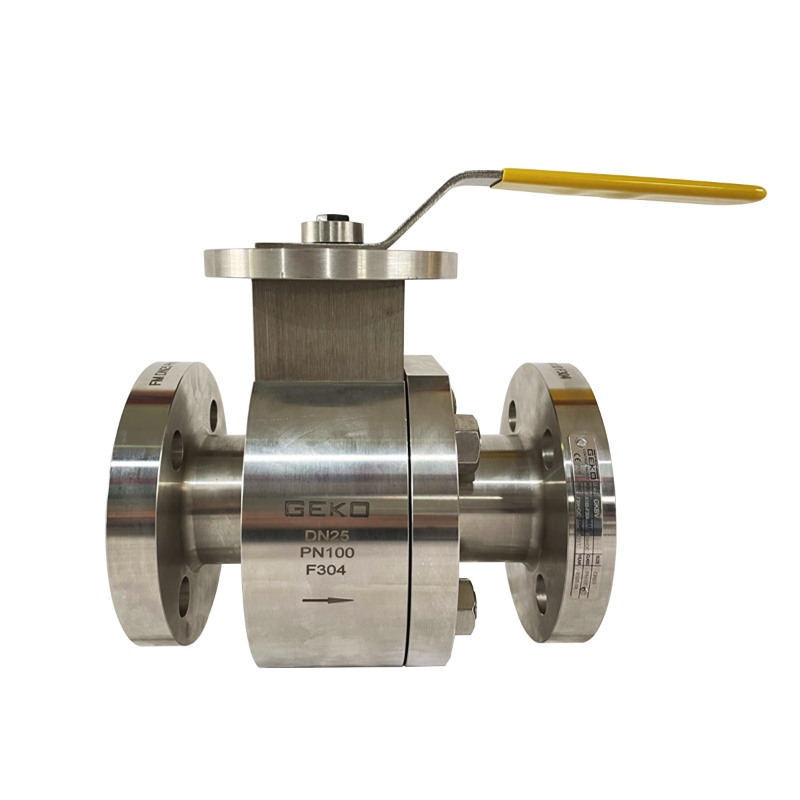
5. Xác định hình thức kết nối đường ống
Chọn kiểu kết nối đầu cuối dựa trên tiêu chuẩn lắp đặt, mức áp suất và tần suất bảo trì:
Kết nối mặt bích: Dễ tháo lắp, độ kín khít ổn định, được sử dụng rộng rãi cho đường ống công nghiệp cỡ lớn.
Kết nối ren: Chủ yếu là các van cỡ nhỏ dùng cho đường ống phụ trợ áp suất thấp.
Mối hàn giáp mí và hàn ổ cắm: Độ kín tuyệt vời, thích hợp cho môi trường áp suất cao, nhiệt độ cao và các chất nguy hiểm dễ cháy.
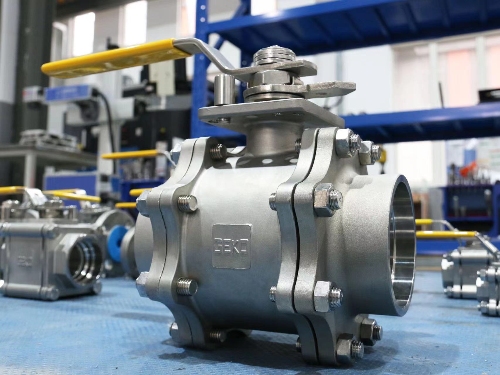
6. Chọn loại bộ truyền động
Chọn bộ truyền động phù hợp với yêu cầu điều khiển tự động của hệ thống đường ống:
Van bi điều khiển bằng tay (tay cầm/bộ truyền động bánh răng): Dùng cho đường ống ít khi chuyển mạch.
Van bi khí nén: Tác động nhanh, tùy chọn cấu trúc chống cháy nổ, lựa chọn hàng đầu cho các dây chuyền sản xuất tự động.
Van bi điện: Thích hợp cho các địa điểm không có khí nén, dễ dàng điều khiển từ xa bằng PLC.
Bộ truyền động thủy lực: Dùng cho van bi đường kính lớn, mô-men xoắn cao.
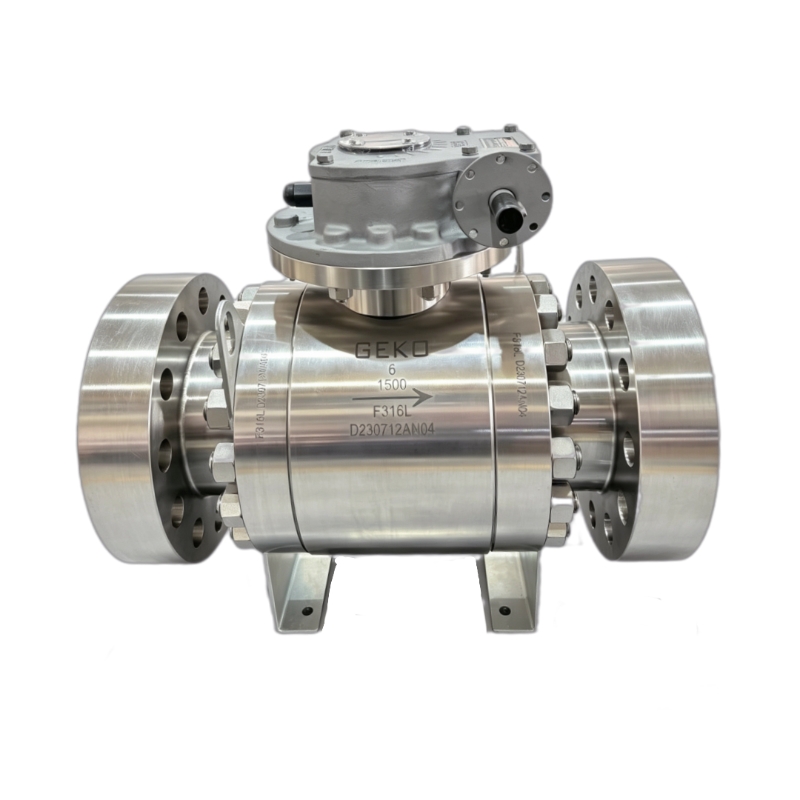
7. Kiểm tra các cấu hình phụ trợ an toàn thiết yếu
Đối với đường ống dẫn môi chất nguy hiểm, các phụ kiện an toàn tiêu chuẩn là không thể thiếu:
Cấu trúc chống cháy
Thiết bị chống tĩnh điện
Thân cây chống nổ
Thiết bị khóa mở/đóng
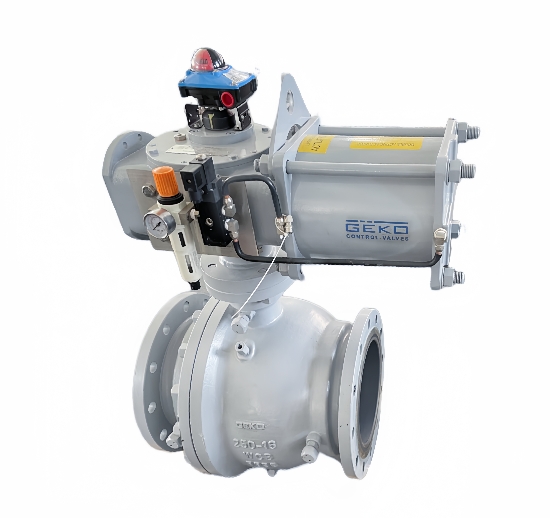
8. Cân bằng chi phí ban đầu và hiệu suất dịch vụ dài hạn
Nhiều người mua thường ưu tiên giá thành thấp. Van bi giá rẻ thường sử dụng nguyên liệu kém chất lượng và gia công thô sơ. Mặc dù chi phí đầu tư ban đầu thấp, nhưng việc thay thế linh kiện thường xuyên, xử lý rò rỉ và ngừng sản xuất sẽ làm tăng đáng kể tổng chi phí.
Nên đánh giá toàn diện tuổi thọ sản phẩm, chu kỳ bảo trì, khả năng cung cấp phụ tùng thay thế và dịch vụ hỗ trợ sau bán hàng của nhà sản xuất.
9. Xác minh trình độ và chứng nhận của nhà cung cấp
Các chứng nhận tiêu chuẩn đảm bảo chất lượng sản phẩm cho các dự án đường ống công nghiệp:
Các chứng chỉ thường được yêu cầu: API 6D, ISO, CE, chứng nhận an toàn cháy nổ. Xác nhận xem nhà sản xuất có thể cung cấp báo cáo thử nghiệm vật liệu (MTR), tài liệu kiểm tra và hỗ trợ kỹ thuật tại chỗ hay không.
Phần kết luận
Việc mua van bi cho hệ thống đường ống đòi hỏi phải đánh giá một cách có hệ thống các điều kiện làm việc, cấu trúc van, vật liệu, khả năng làm kín, kiểu kết nối, bộ truyền động và thiết kế an toàn, thay vì chỉ đơn thuần so sánh giá cả và kích thước.
GEKO Valve cung cấp đầy đủ các loại van bi nổi, van bi trục xoay, van bi ba mảnh và van bi nạp từ trên xuống với nhiều lựa chọn vật liệu khác nhau. Chúng tôi cung cấp hỗ trợ kỹ thuật cho các dự án hệ thống đường ống trong các ngành công nghiệp điện lực, hóa dầu, xử lý nước và khí đốt. Hãy liên hệ với đội ngũ kỹ sư của chúng tôi để được tư vấn chuyên nghiệp về việc mua van bi.

 E-mail
: info@geko-union.com
E-mail
: info@geko-union.com
 E-mail
: info@geko-valves.de
E-mail
: info@geko-valves.de
 E-mail
: tw@geko-union.com
E-mail
: tw@geko-union.com
 E-mail
: nl@geko-union.com
E-mail
: nl@geko-union.com


 Mạng IPv6 được hỗ trợ


