





BẠN ĐANG TÌM KIẾM GÌ?
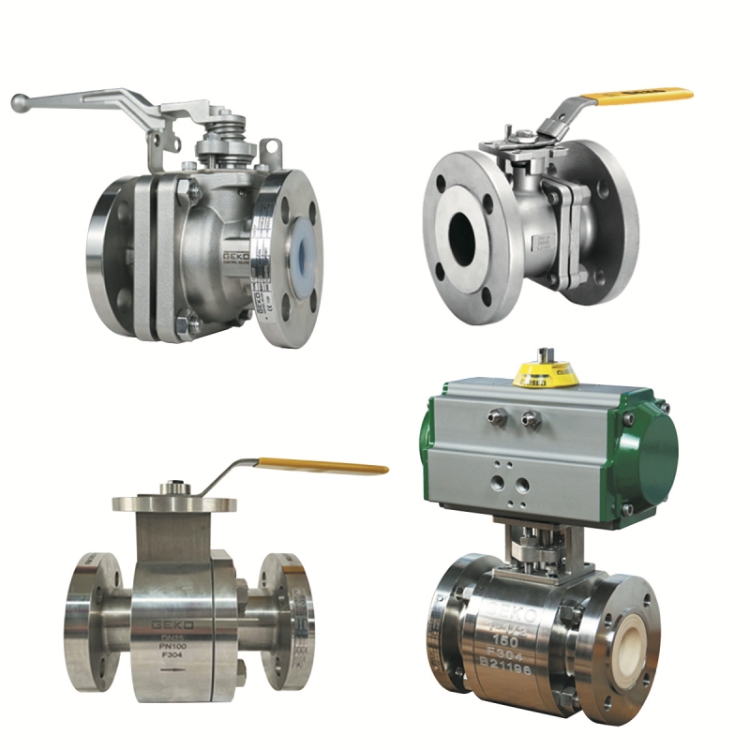
Việc mua van bi công nghiệp mà không đánh giá đúng các tiêu chuẩn chất lượng hiện hành sẽ tạo ra những rủi ro vận hành tiềm ẩn, bao gồm rò rỉ khí, rò rỉ gioăng, hỏng hóc linh kiện sớm và thời gian ngừng hoạt động ngoài kế hoạch tốn kém. Van bi đóng vai trò quan trọng trong việc cách ly và kiểm soát dòng chảy trong các nhà máy dầu khí, hóa chất, sản xuất điện, xử lý nước thải và bột giấy & giấy. Đối với các nhà thiết kế, kỹ sư dự án và quản lý mua sắm, việc xác minh các tiêu chuẩn ngành liên quan là cách đáng tin cậy nhất để xác nhận tính toàn vẹn của lớp làm kín, độ bền vật liệu, định mức áp suất-nhiệt độ và tuân thủ quy định. GEKO Valve sản xuất van bi công nghiệp phù hợp với các tiêu chuẩn được công nhận toàn cầu để đáp ứng các điều kiện quy trình khắt khe.
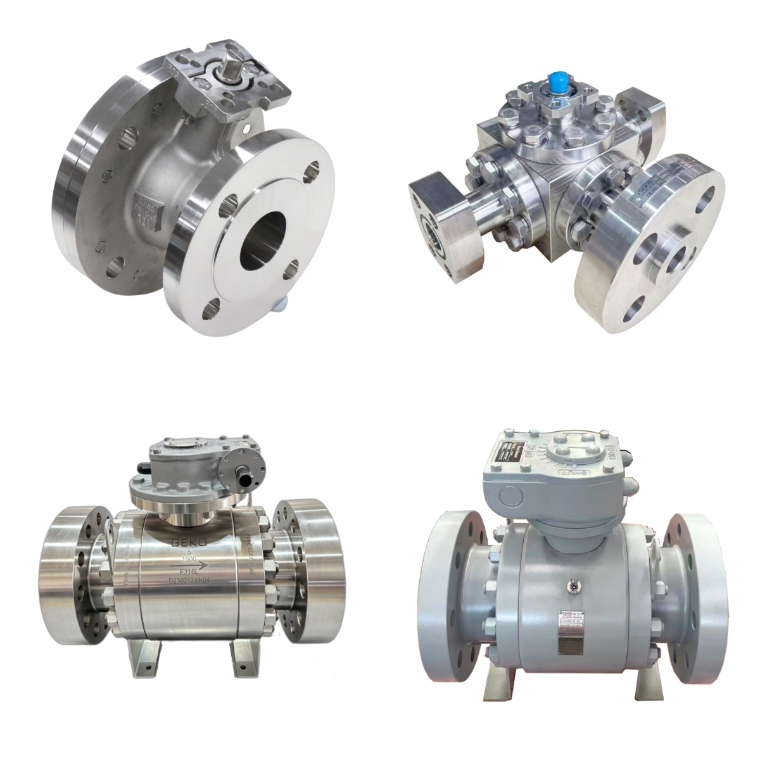
Các tiêu chuẩn quy định các quy tắc thống nhất cho thiết kế van, lựa chọn vật liệu, kiểm soát kích thước, thử nghiệm áp suất, đánh dấu và chứng nhận. Các thông số kỹ thuật dự án phải xác định các tiêu chuẩn bắt buộc trước khi ký kết đơn đặt hàng.
Việc đóng dấu tiêu chuẩn trên thân van không đủ để chứng minh chất lượng ổn định. Các nhóm mua sắm nên xác thực tài liệu kỹ thuật hỗ trợ cùng với các thông số kỹ thuật chính thức.
Truy xuất nguồn gốc vật liệu & MTRsYêu cầu báo cáo kiểm tra vật liệu (MTR) cho thân van, bi van, trục van và các bộ phận bên trong. MTR xác minh số lô sản xuất, thành phần hóa học và tính chất cơ học, ngăn ngừa rủi ro thay thế đối với các vật liệu WCB, A105, thép không gỉ và hợp kim.
Tài liệu kiểm tra nghiệm thu tại nhà máy (FAT)Các báo cáo về kết quả kiểm tra áp suất vỏ van, kiểm tra rò rỉ gioăng, kiểm tra độ bền chu kỳ và kiểm tra chức năng bộ truyền động cần được cung cấp theo yêu cầu. Van bi có gioăng kim loại hoạt động với giới hạn rò rỉ nghiêm ngặt hơn so với các loại có gioăng mềm và yêu cầu kết quả kiểm tra được ghi chép chính thức.
Chứng nhận an toàn phòng cháy chữa cháy của bên thứ baĐối với các khu vực quy trình có nguy cơ cháy nổ cao, hãy ưu tiên các chứng nhận an toàn cháy nổ độc lập từ bên thứ ba thay vì các tuyên bố tự khai của nhà sản xuất.
Hỗ trợ kiểm tra nhân chứngCác nhà sản xuất van uy tín sẵn sàng cho phép bên thứ ba kiểm tra tại cơ sở của họ theo yêu cầu của các điều khoản kỹ thuật dự án EPC và người sử dụng cuối cùng.
Nhiều người mua chỉ tập trung vào giá cả ban đầu và thời gian giao hàng mà bỏ qua việc kiểm định tuân thủ tiêu chuẩn. Van bi không đạt tiêu chuẩn có thể vượt qua các kiểm tra trực quan đơn giản nhưng lại hỏng dưới áp suất tuần hoàn, sốc nhiệt hoặc môi trường ăn mòn. Hậu quả bao gồm rò rỉ khí, hiện tượng thổi khí qua gioăng, rò rỉ vòng đệm trục van, vỡ thành van trong quá trình vận hành, trục trặc hệ thống an toàn và bị từ chối khi vận hành. Chi phí thay thế, ngừng hoạt động nhà máy và làm sạch quy trình vượt xa bất kỳ khoản tiết kiệm ngắn hạn nào từ các van có thông số kỹ thuật thấp.
Van bi công nghiệp GEKO được thiết kế để đáp ứng các tiêu chuẩn API 6D, ASME B16.34, ASME B16.10, ISO và NACE về khả năng chịu được điều kiện khắc nghiệt, thích hợp cho các ứng dụng an toàn cháy nổ, nhiệt độ cực thấp, nhiệt độ cao và chất lỏng ăn mòn. Hồ sơ vật liệu đầy đủ (MTR), chứng nhận kiểm tra và tài liệu tuân thủ được cung cấp kèm theo mỗi lô hàng. Đội ngũ kỹ sư của chúng tôi hỗ trợ người mua trong giai đoạn yêu cầu báo giá và lập đặc tả kỹ thuật để đảm bảo điều kiện vận hành quy trình phù hợp với bộ tiêu chuẩn ngành chính xác, giúp loại bỏ lỗi đặc tả trước khi xác nhận đơn đặt hàng.
Việc đánh giá có hệ thống các tiêu chuẩn chất lượng và tài liệu hỗ trợ trước khi mua van bi công nghiệp giúp người vận hành nhà máy giảm thiểu rủi ro an toàn, kéo dài tuổi thọ van và duy trì hiệu suất ổn định, đáng tin cậy trong toàn bộ mạng lưới đường ống công nghiệp quan trọng.

 E-mail
: info@geko-union.com
E-mail
: info@geko-union.com
 E-mail
: info@geko-valves.de
E-mail
: info@geko-valves.de
 E-mail
: tw@geko-union.com
E-mail
: tw@geko-union.com
 E-mail
: nl@geko-union.com
E-mail
: nl@geko-union.com


 Mạng IPv6 được hỗ trợ


